A Festive Graphic Review for Crafting Childhood Joy
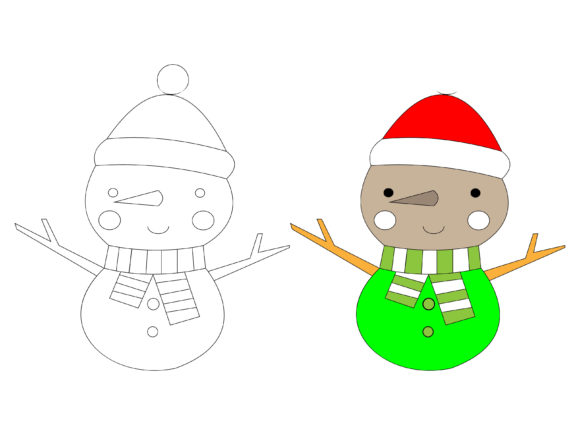
When a new design asset lands on my desk, my first question isn't just about aesthetics—it’s about utility. Can this hold up under the pressure of a real client brief? For a recent project concept for a local children’s boutique launching a holiday line, I needed a visual core that was playful, scalable, and unequivocally seasonal. The asset under review: Coloring Snowmen for Early Childhood. My initial impression is one of immediate warmth. The style leans into a friendly, illustrative charm perfect for early childhood audiences. It’s not overly slick or corporate; it feels handmade and inviting, which is exactly the mood needed for projects targeting families, crafters, and small businesses centered around joy.
The Versatility of a Simple, Seasonal Illustration
In practical terms, this graphic design asset is a Swiss Army knife for holiday-themed projects. The canvas size of 3200 by 2400 pixels provides a robust starting point for most applications. For the boutique concept, I immediately envisioned it as a large-scale hero graphic on a holiday campaign webpage. The ample detail holds up beautifully at that size, creating an instant focal point. In packaging design, a single snowman from the set could be isolated and used as a decorative accent on a product label for holiday cocoa or a children’s craft kit, adding thematic consistency without overwhelming the necessary text.
Where These Snowmen Shine in Client Work
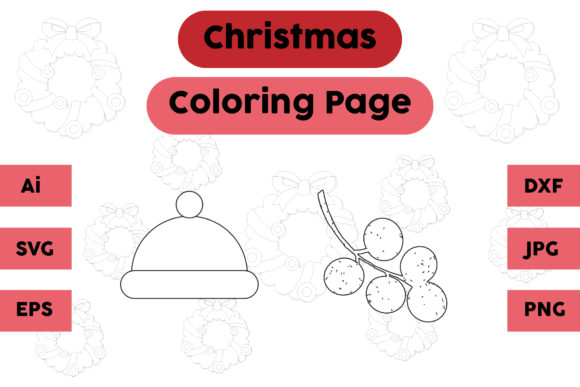
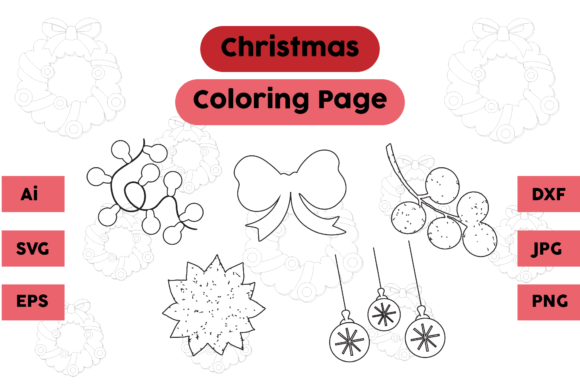
This illustration bundle excels in spaces that require a touch of whimsy and clear emotional appeal. For social media graphics, especially Instagram posts and Pinterest pins aiming for a ‘printable activity’ or ‘family fun’ angle, these snowmen are ready-made content. They translate perfectly into Canva templates for quick client edits. For printable designs—wall art for a pediatric clinic’s holiday decor, or activity sheets for a blogger—the high-resolution JPG and PNG files ensure crisp print quality. For merchandise like t-shirt designs, mugs, or tote bags via print-on-demand, the vector formats (AI, EPS, SVG) are crucial. They allow for clean scaling and color adjustments to match brand palettes.
Particularly powerful is the inclusion of the DXF file, which speaks directly to the crafting community. For a client with an Etsy shop specializing in Cricut projects, this file type enables the creation of intricate sticker designs, vinyl decals, or fabric appliqués with ease, opening a direct revenue channel from a single digital product.
Navigating Potential Pitfalls in Professional Layouts
However, as with any asset, thoughtful application is key. This set’s detailed, playful nature means it should be used carefully in contexts demanding severe minimalism or clean visual hierarchy. On a crowded flyer with dense text, the illustration could compete for attention rather than support it. I always test assets like this in black and white to gauge their structural integrity; here, the forms remain recognizable, which is good news for potential two-color printing scenarios. Placing it on complex backgrounds can also dilute its impact; it performs best on solid, light-colored fields where its friendly details pop.
For professional corporate materials or branding that requires a more austere trust signal, this asset would likely feel out of place. Its strength is in emotional connection, not formal authority. When using it in small sizes, such as a tiny icon on a website navigation bar, some finer details may vanish, so simplification within the vector files might be necessary.
Integrating with Brand Identity and Typography
A crucial part of my review is testing compatibility with typography. How does this asset pair with a client’s chosen font? For a handmade business, pairing these snowmen with a complementary handwritten or playful display font creates a cohesive, bespoke feel. For a slightly more polished small business branding approach, a clean sans-serif font alongside the illustration can balance whimsy with readability. I’d avoid pairing it with a severe serif, as the stylistic clash could undermine the intended warm mood. The goal is brand consistency: the visual asset should feel like a natural extension of the brand’s voice, not a borrowed costume.
Essential Designer Checks Before Commercial Use
Before committing this asset to a paid client project, a series of practical checks are non-negotiable. First, preview it at both large and small scales to understand its behavior across applications. Second, place it on real product mockups—a mug, a t-shirt, a book cover—to see how it interacts with physical product curves and seams. Third, verify the PNG transparency is clean, with no residual halos, for seamless overlay on digital ads or web graphics.
Fourth, and perhaps most importantly: confirm the commercial license. As a professional, I never assume. Using a graphic for a client’s marketing visuals, editorial design, or commercial products requires explicit permission for such use. This asset’s description suggests broad format availability, which often aligns with commercial licensing for digital sellers, but verification is a mandatory step to protect both my practice and the client’s business.
The Final Impression: A Polished Tool for Targeted Projects
In conclusion, Coloring Snowmen for Early Childhood isn’t just clipart; it’s a thoughtfully prepared illustration set that, when applied with design judgment, can elevate a project’s polish. It helps a final design feel more cohesive and intentionally festive. For the right client—a small business, a crafter, a blogger targeting family activities, a brand launching a seasonal campaign—this asset reduces production time and provides a strong visual foundation. It supports the design direction by offering multiple, editable file formats for different outputs, from sublimation design to SVG design for web use. Its ultimate value lies in its ability to translate a simple concept—coloring snowmen with a Christmas theme for early childhood—into a professional, versatile, and emotionally resonant creative asset.